Targeted high-energy ray treatments designed to destroy cancer cells, shrink tumors, and preserve organ function under expert clinical guidance.
Radiation therapy uses high-energy beams (such as X-rays or protons) to target and destroy cancer cells while sparing healthy surrounding tissues as much as possible. For bladder cancer, it can be used either as a primary treatment option (often combined with chemotherapy) to preserve the bladder or as palliative care to relieve symptoms. Dr. Avinash Singh provides comprehensive uro-oncology evaluation and coordinate integrated therapy roadmaps for optimal patient outcomes.
Speak With Dr. Singh's Desk
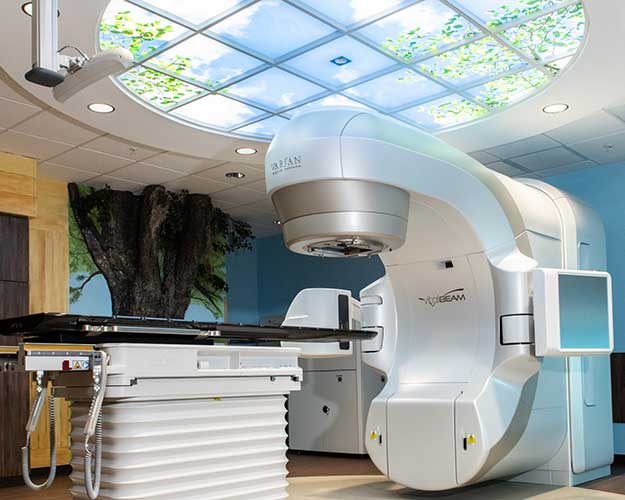
Different techniques applied depending on the stage and clinical requirements of bladder cancer.
The most common method where a machine outside the body precisely directs high-energy rays straight at the tumor site in the bladder pelvis.
A bladder-sparing approach combining transurethral surgery (TURBT), chemotherapy, and radiation therapy administered together for selected cases.
Focused treatments utilized to control localized bleeding or manage discomfort in advanced stages to improve overall comfort and quality of life.
Structured care plans focused on precision, safety, and continuous clinical oversight.
Modern imaging techniques ensure radiation beams precisely align with cancerous areas while safeguarding healthy nearby organs like the bowel and rectum.
Serves as a powerful alternative for patients who want to avoid or delay invasive major surgery like complete bladder removal (cystectomy) when clinically viable.
Dr. Avinash Singh works closely with leading radiation oncologists to manage your schedule, monitor side effects, and optimize recovery milestones.